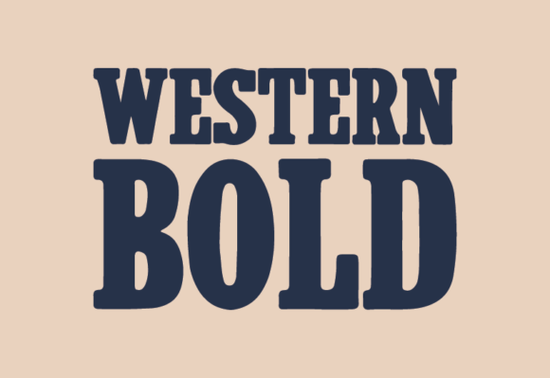
If you need a typeface that brings a rugged yet polished vintage feel to your work, Western Bold is a simple Western-style serif bold font that can instantly add a clean retro touch. Its balanced proportions give it an old‑school character without looking cluttered, making it a solid choice for minimalist logos, badge designs, and understated branding that still need a hint of the frontier. Designers, crafters, and small business owners who want a legible display font with a hint of western flair will find it easy to work with.
What kind of look does this Western serif bold font create?
The font’s thick letterforms and steady serifs lean into a saloon‑sign, wood‑type aesthetic without overdoing the decorative details. Unlike heavily distressed or ornate vintage fonts, Western Bold keeps things straightforward. That means you get a retro vibe that reads well at larger sizes on t‑shirts, posters, and social media templates. Because it’s a serif, the strokes vary slightly, giving text a hand‑crafted rhythm. If you’re after a font that feels like a modern take on Old West letterpress, this one hits that note.
Can I use this font for print‑on‑demand and crafting projects?
Yes, and it works especially well for print‑on‑demand products aimed at rustic, country, or outdoor themes. The bold weight holds up on mugs, tote bags, and hoodies where fine details can get lost. When you size it for wall art or vinyl decals, the clean retro shape stays crisp. Crafters making sublimation designs or cardstock sentiments will appreciate that the font doesn’t rely on rough textures to sell the western mood so you can use it on a clean white background or pair it with sepia tones and still get the right atmosphere.
When should I choose a serif over a sans‑serif for western themes?
A serif like Western Bold carries a traditional, time‑worn personality that instantly connects to frontier history. If your project needs a more streamlined, modern western feel, you might explore a sans‑serif western style that strips away the serifs for a cleaner silhouette. The serif here is moderate, so you still get a contemporary look ideal for a boutique coffee shop logo or a minimalist ranch brand. The choice comes down to whether you want heritage texture (serif) or sleek simplicity (sans‑serif).
How do I pair Western Bold with other fonts?
Because of its strong personality, Western Bold works best as a headline or hero font. Pair it with a neutral body typeface that doesn’t compete. A few pairing ideas:
- Simple geometric sans‑serif – like a light, clean font for body copy that lets the western display text stand out.
- Monoline script – a delicate hand‑lettered script can soften the boldness for wedding invitations or greeting cards with a rustic twist.
- Narrow industrial sans – something like a condensed sans gives a retro badge set a utilitarian, old‑timey feel.
If you’re designing a full brand kit, test Western Bold against a subtle, open‑spaced serif for subheadlines. Keep the secondary typeface simple so the contrast highlights your key message, not the font conflict.
Where does this font shine beyond logos and branding?
Beyond the obvious logo work, Western Bold performs well in editorial layouts that need a touch of nostalgia think magazine pull quotes, chapter titles, and event posters for community festivals. Web designers can use it in limited hero text or call‑to‑action buttons for niche shops selling handmade leather goods or natural products. Even YouTube thumbnail text gains a distinct personality without sacrificing readability on small screens.
Is there a similar font that offers a completely different tone?
Sometimes you want a western theme but with a softer, more modern voice. In those cases, a sans‑serif option might be better. The Vonca sans‑serif family takes a totally different route clean, airy, and minimal while still feeling fresh for lifestyle brands. It’s useful if your western concept leans towards desert‑modern aesthetics rather than vintage saloon.
What should I check before buying a bold retro serif like this?
Before you add Western Bold to your toolkit, run through a quick checklist:
- Test the “Q” and “G” – western fonts often style these letters uniquely; make sure the quirks suit your brand voice.
- Check the number of weights and styles – Western Bold is intentionally simple, but if you need italics or lighter weights you may need to pair it with a complementary family.
- Try it on both light and dark backgrounds – bold serifs can look dramatically different in white on dark versus dark on white.
- Confirm the license covers your project – if you’re selling digital goods or print‑on‑demand merch, ensure the font license allows resale of end products.
If the clean, vintage‑balanced look fits your next design, you can grab Western Bold directly and start mocking up your ideas. Its simplicity makes it a low‑risk addition, especially if you’re building a library of reliable retro display faces.
Explore Design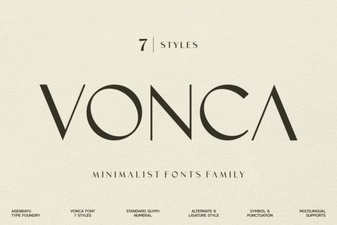 Vonca Font Design Trends and Creative Projects
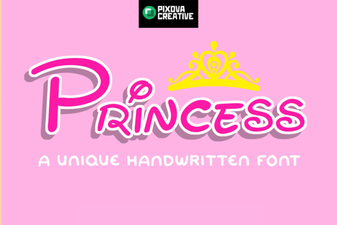 Princess Font Design Trends and Creative Uses
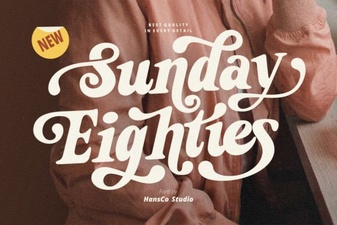 Sunday Eighties Font for Retro Design Projects
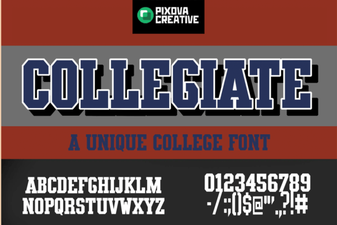 Best Collegiate Font for Design Projects
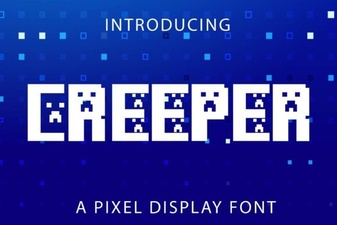 Creeper Font Design Trends and Creative Uses
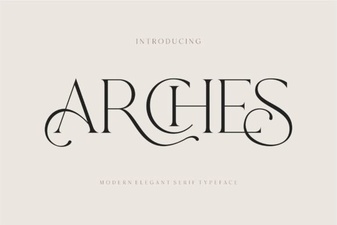 Arches Font Design Trends and Creative Uses